Engagement Rings
Engagement rings,
built around your diamond.
GIA- or IGI-certified lab-grown and natural diamonds set in solid gold or platinum — Triple Excellent cut, fully insured shipping, 30-day returns.
From the timeless solitaire to the brilliance of a pavé halo, our engagement rings are crafted in solid gold and platinum, each one set with a GIA- or IGI-certified or IGI-graded diamond. Whether you favor a lab-grown stone for its value and ethics, or a natural diamond for its provenance, every Tessera ring is made to last for generations — and to feel as extraordinary as the moment it marks.
Shop by Style
Find your silhouette.
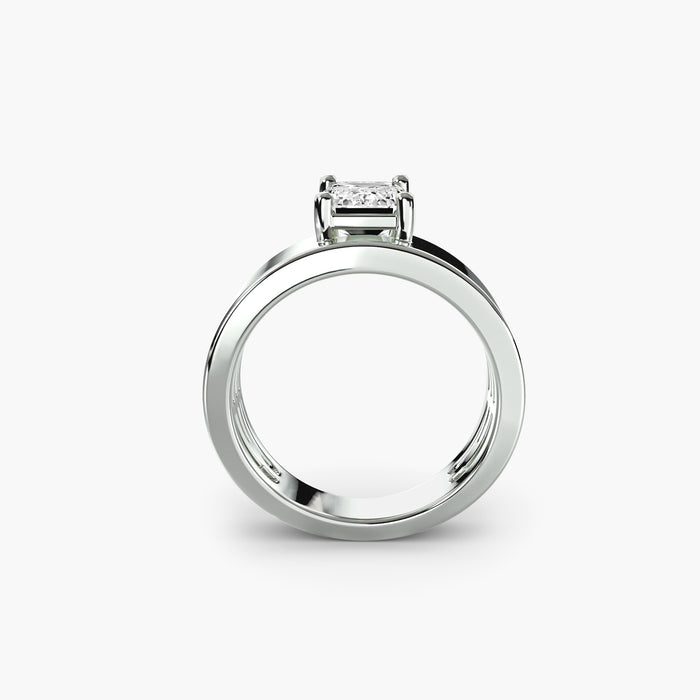
Solitaire
A single stone, perfectly framed. Timeless.
Explore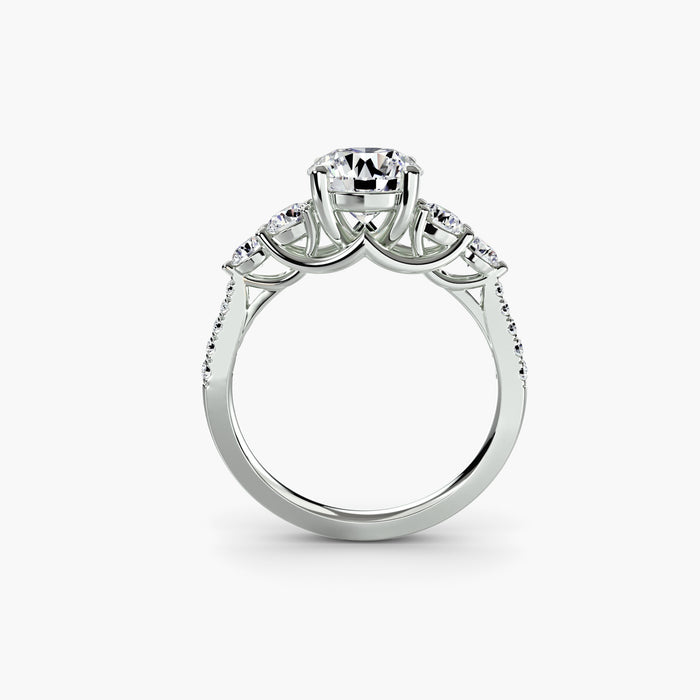
Pavé
A river of small diamonds along the band — extra sparkle, every angle.
Explore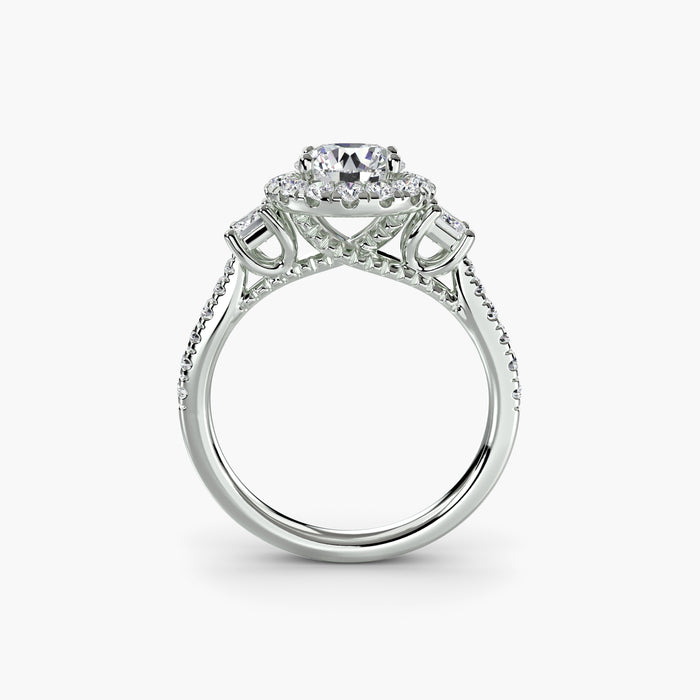
Halo
A frame of accent diamonds around the center stone — bigger look, brighter light.
Explore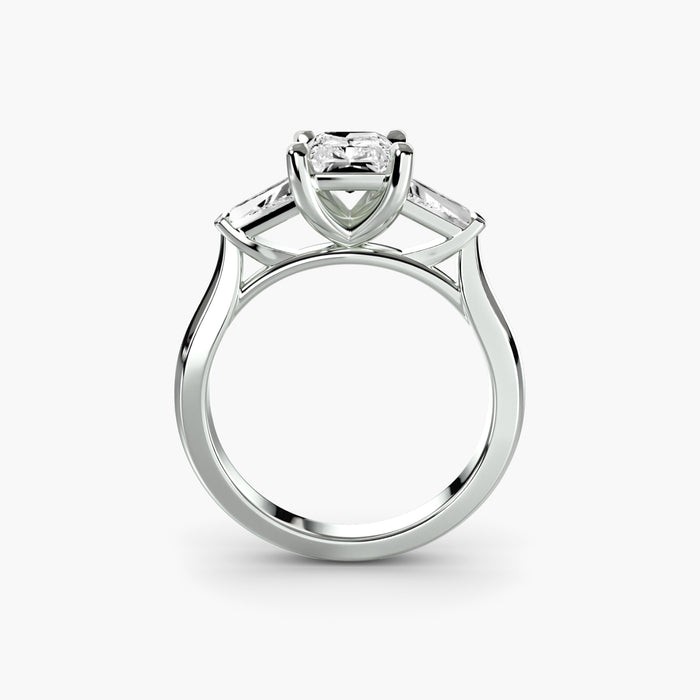
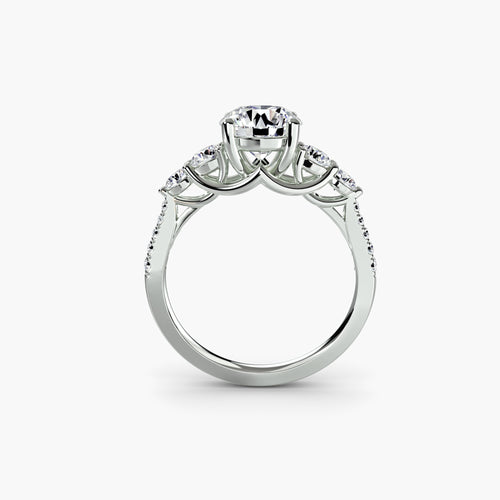
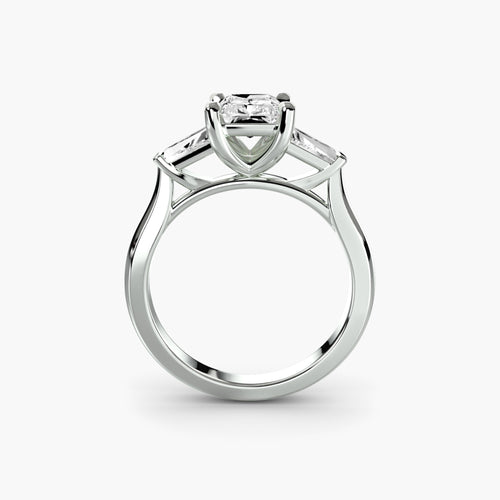
Three-Stone
Past, present, future — a center stone flanked by two.
Explore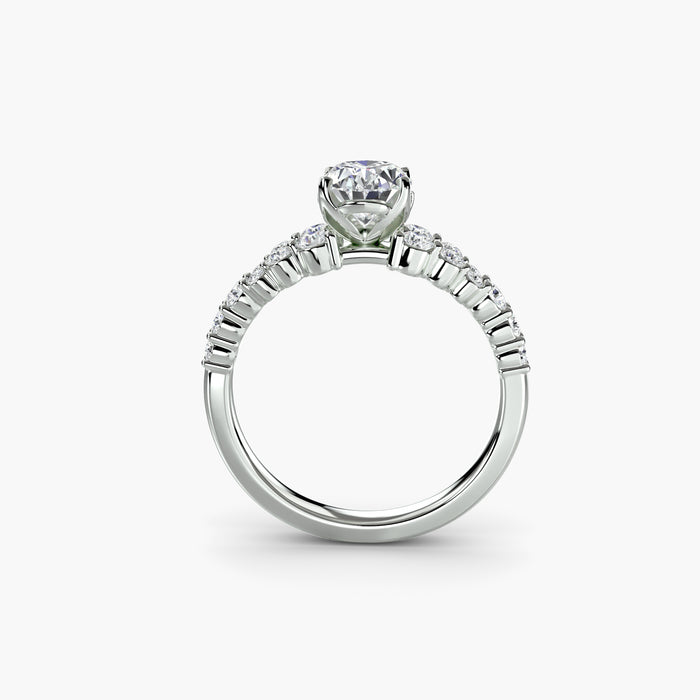
Cluster
Multiple stones arranged as one — modern, distinctive, light-catching.
ExploreShop by Metal
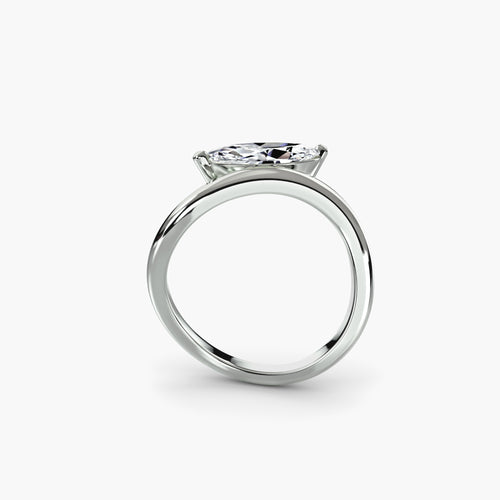
Shop by Diamond Shape
Engagement ring questions, answered
What is the difference between lab-grown and natural diamonds?
Optically, chemically, and physically they are identical — both are pure crystallized carbon, both grade on the same 4Cs, both come with independent GIA or IGI certification. The only difference is origin: lab-grown diamonds are created in advanced labs over weeks, while natural diamonds form in the earth over billions of years. Lab-grown typically costs 60–80% less for the same look, while natural carries the provenance many couples value.
Which engagement ring style is most popular?
The solitaire remains the most-purchased style — a single center stone, no distractions, timeless. Pavé and halo styles are close behind for buyers who want more sparkle. Three-stone rings carry a "past, present, future" meaning that resonates for many couples. The best style is the one she'll love wearing every day; explore each below.
How much should I spend on an engagement ring?
The "three months' salary" rule is a marketing invention from the 1930s, not a guide. Spend what feels right for you — most of our customers spend between $3,000 and $15,000 on the complete ring. Choosing a lab-grown diamond instead of natural lowers the cost of the stone significantly without changing how the ring looks or wears, freeing up budget for a larger carat or a better setting.
Can I see the diamond before I buy?
Yes. Every diamond in our inventory ships with its original GIA or IGI grading report, and high-resolution images are available on request before purchase. If the ring isn't right after delivery, you have 30 days to return it for a full refund — no questions, no restocking fees.
What metal should I choose for an engagement ring?
Every ring is offered in solid 9k, 14k, or 18k gold — in white, yellow, or rose — or 950 platinum. Platinum is the most durable and naturally white, best for protecting the center stone and for those with metal sensitivities. White gold gives a similar look (with occasional rhodium re-plating). Yellow gold is warm and traditional; rose gold has a romantic pink hue. Higher karats mean richer color and more gold content. Whatever you choose, every Tessera ring is solid metal — never plated or filled.
Keep Learning
New to diamonds? Start with the guide.
The 4Cs, certification, and how to choose a stone you’ll love forever — in plain English.
Read the Diamond Guide →